
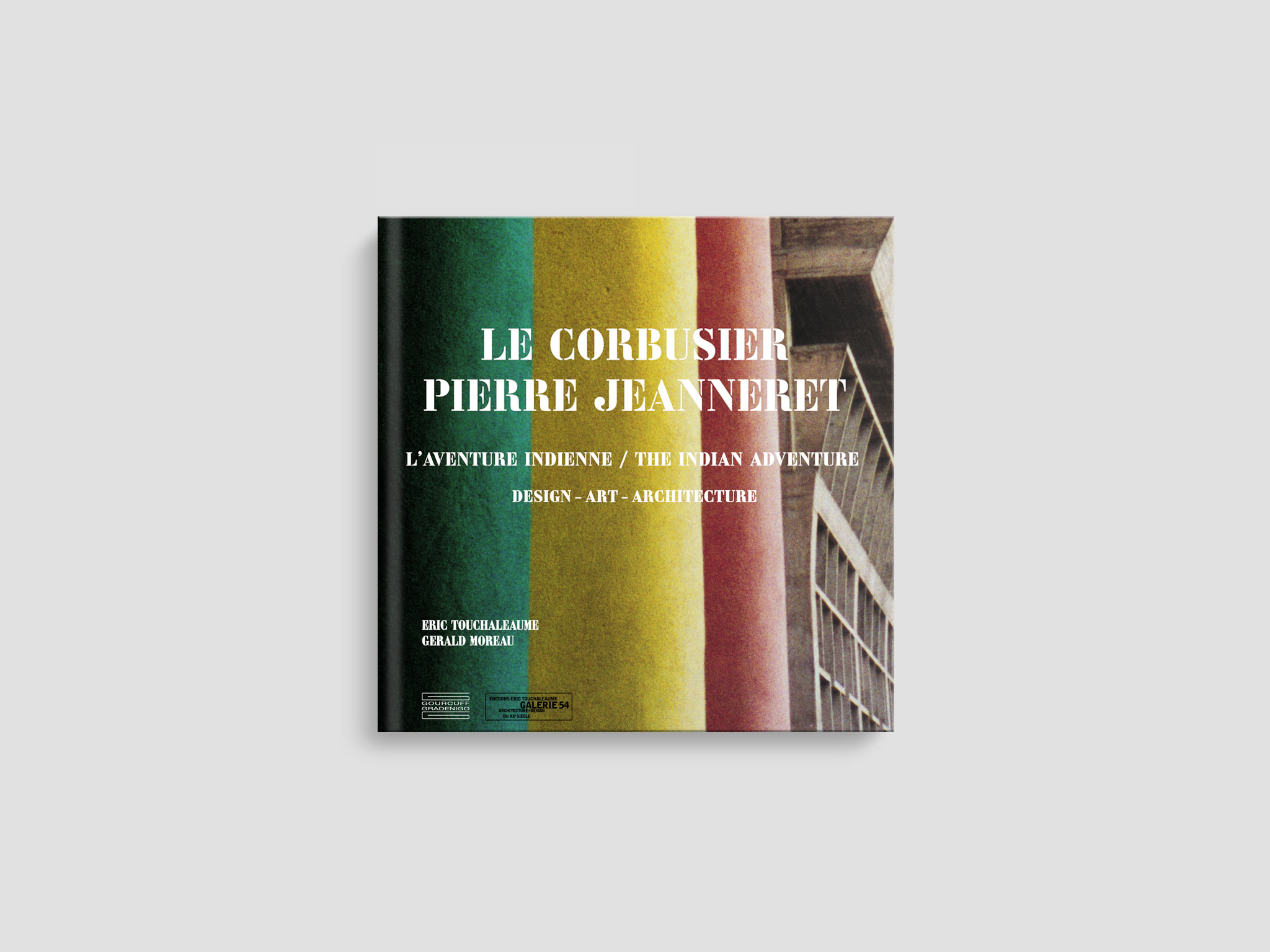
This definitive work was conceived by two design and architecture enthusiasts:
Éric Touchaleaume and Gérald Moreau, who have visited India multiple times annually since 1999. It thus illustrates and catalogs the Indian architectural achievements of the two creators and, for the first time, the furniture designed for the new city of Chandigarh.
In 1951, Prime Minister Jawaharlal Nehru chose Le Corbusier for the creation of the new capital of Punjab: Chandigarh, a symbol of a free and modern India.
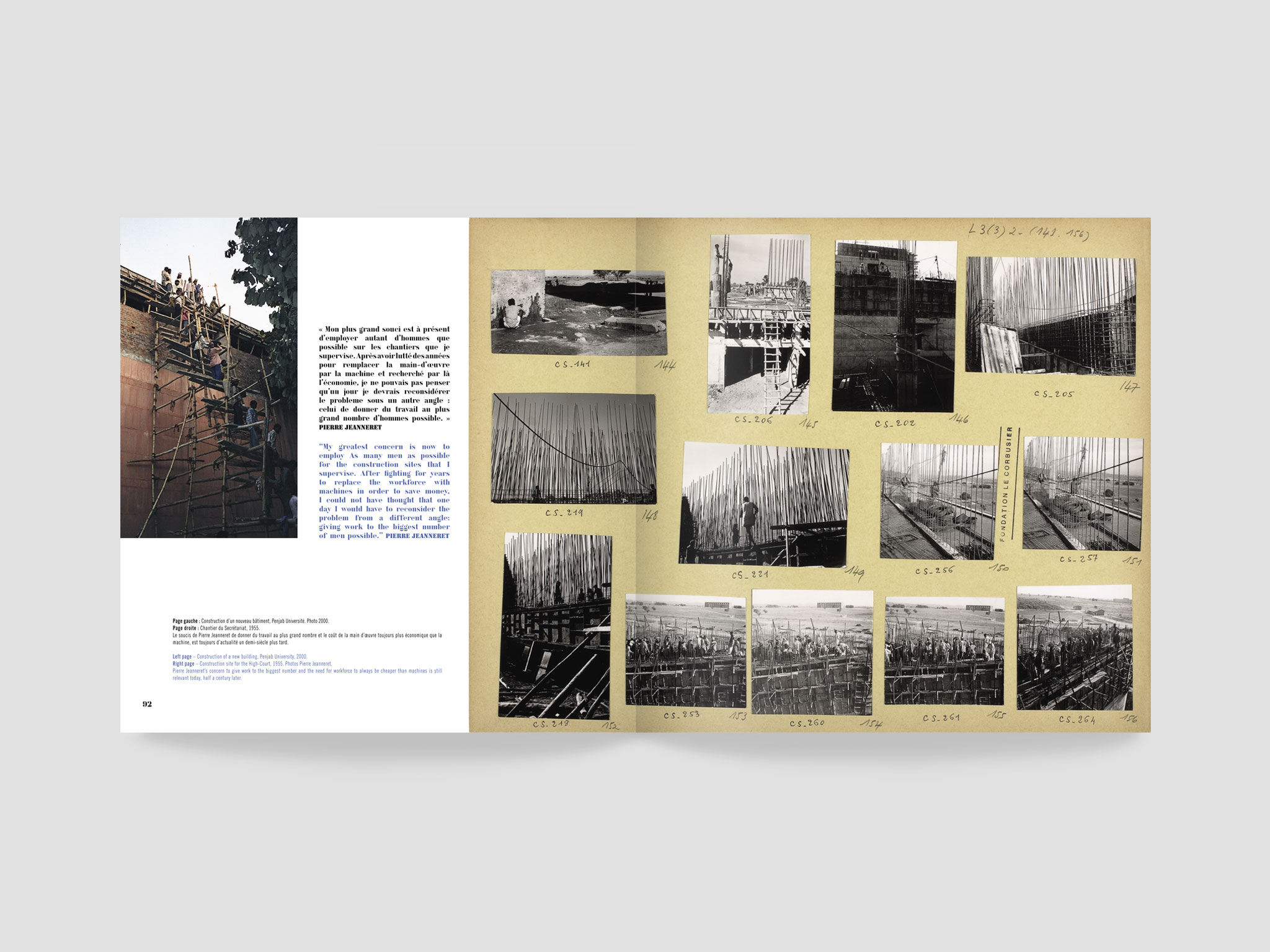
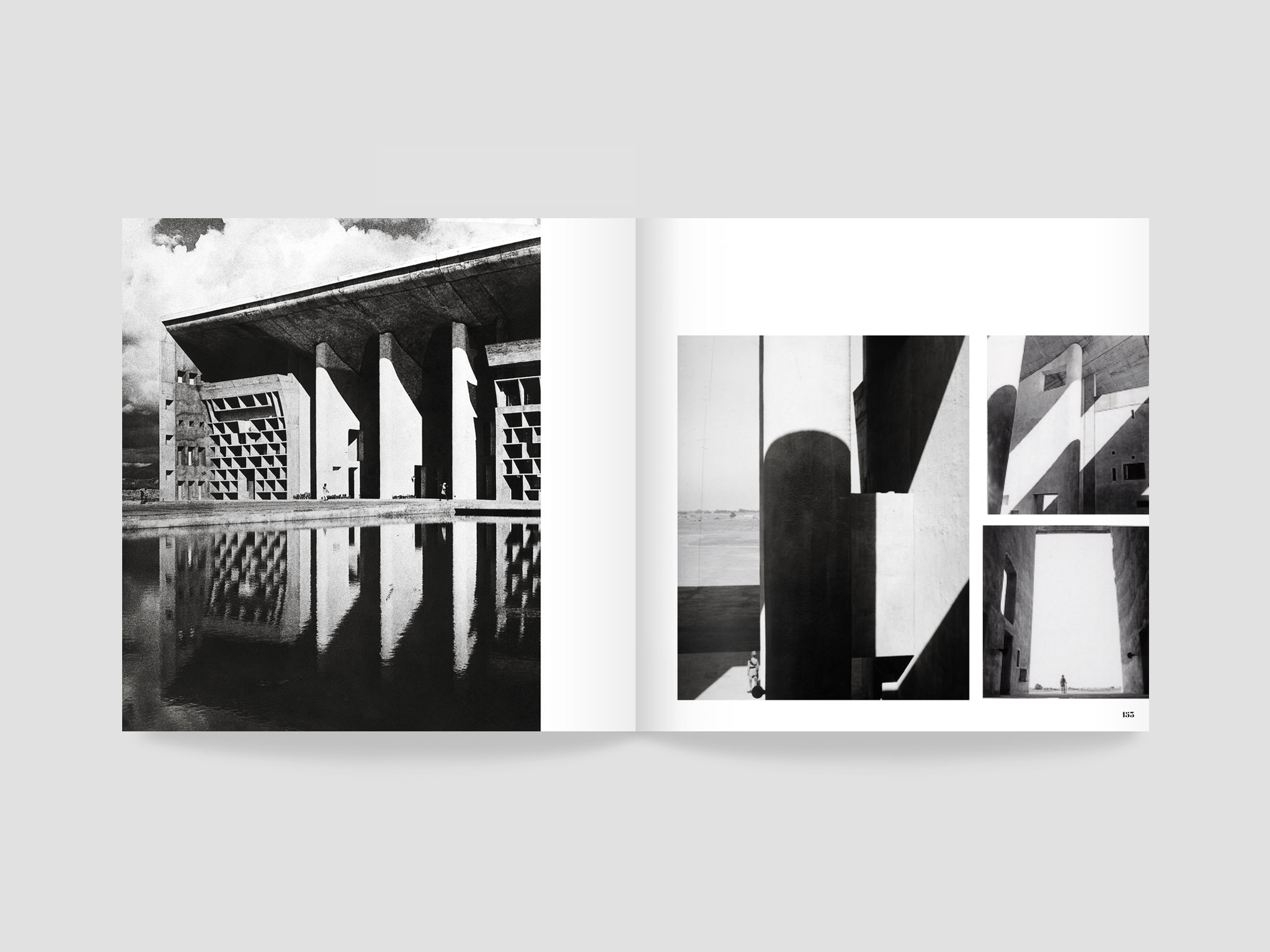
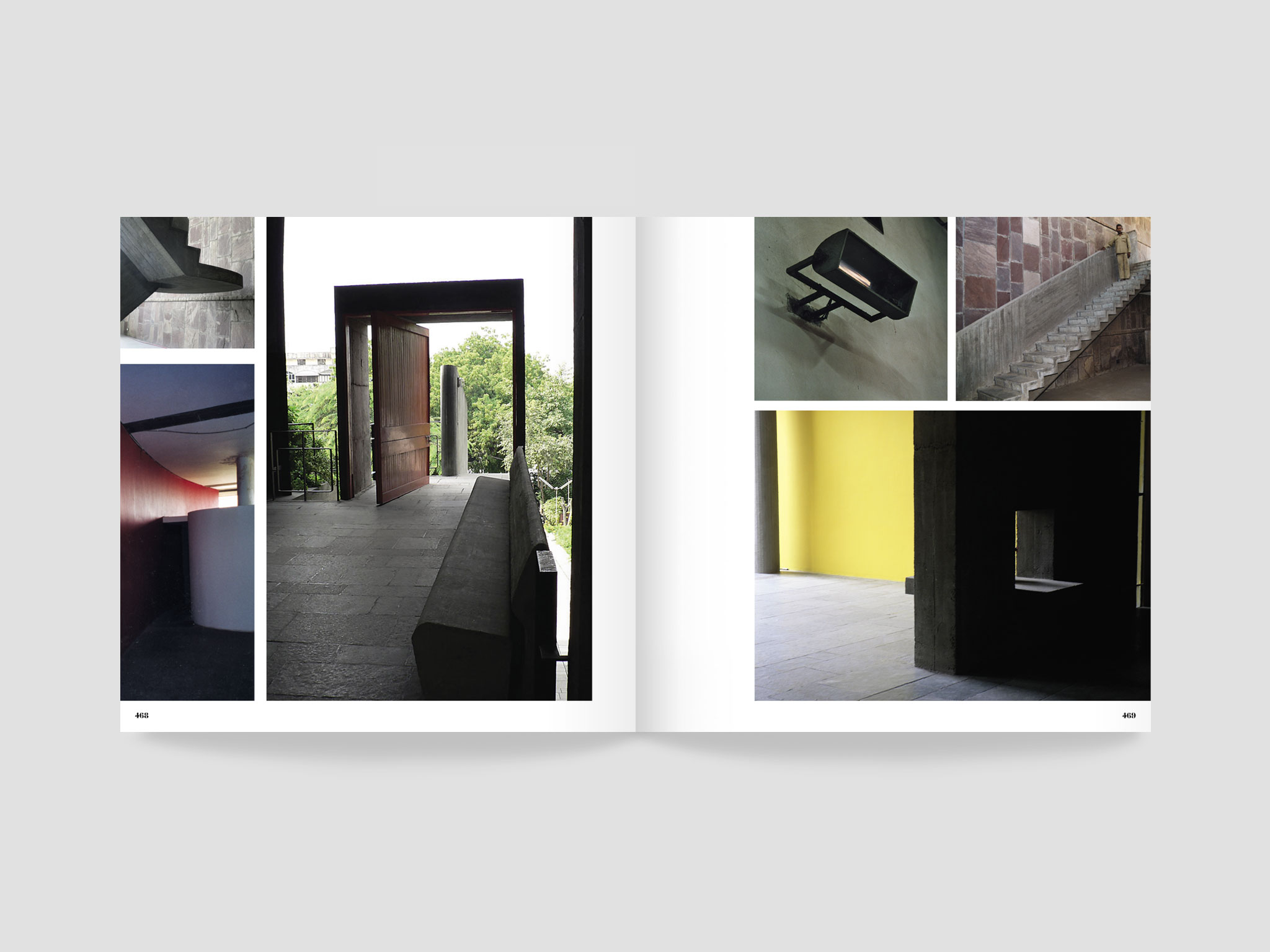
Le Corbusier designed the city’s master plan and the Capitol buildings: the Assembly, the Secretariat, and the High Court. He invited his cousin Pierre Jeanneret to supervise the construction on site.
He also designed the Mill Owners’ Association Building, two luxurious villas, and a museum for wealthy patrons in Ahmedabad, the capital of Gujarat state.
Pierre Jeanneret also carried out independent work from the “master” and resided in India from 1951 to 1965. Appointed chief architect and urban planner for the State of Punjab and director of the Chandigarh School of Architecture, he produced a personal body of high-quality work: houses, schools, university campuses, libraries…
Characterized by his humanism and constant concern to make beauty and life comfort accessible to all, he excelled at creating modest buildings, ecological and poetic architectures using local resources: terracotta brick in various forms, pebbles from the nearby river, wall treatments with white lime or tinted with blue pigment…
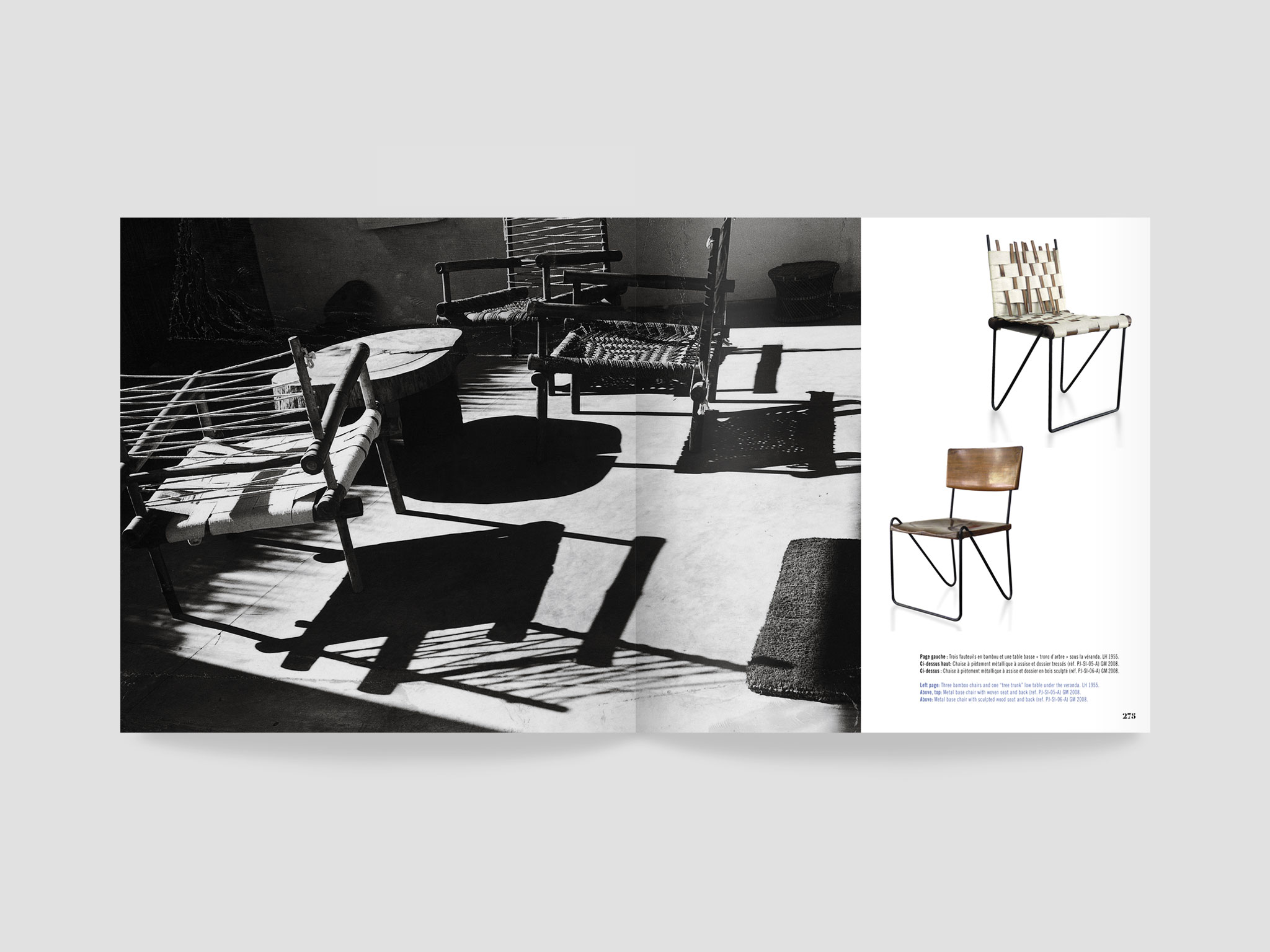
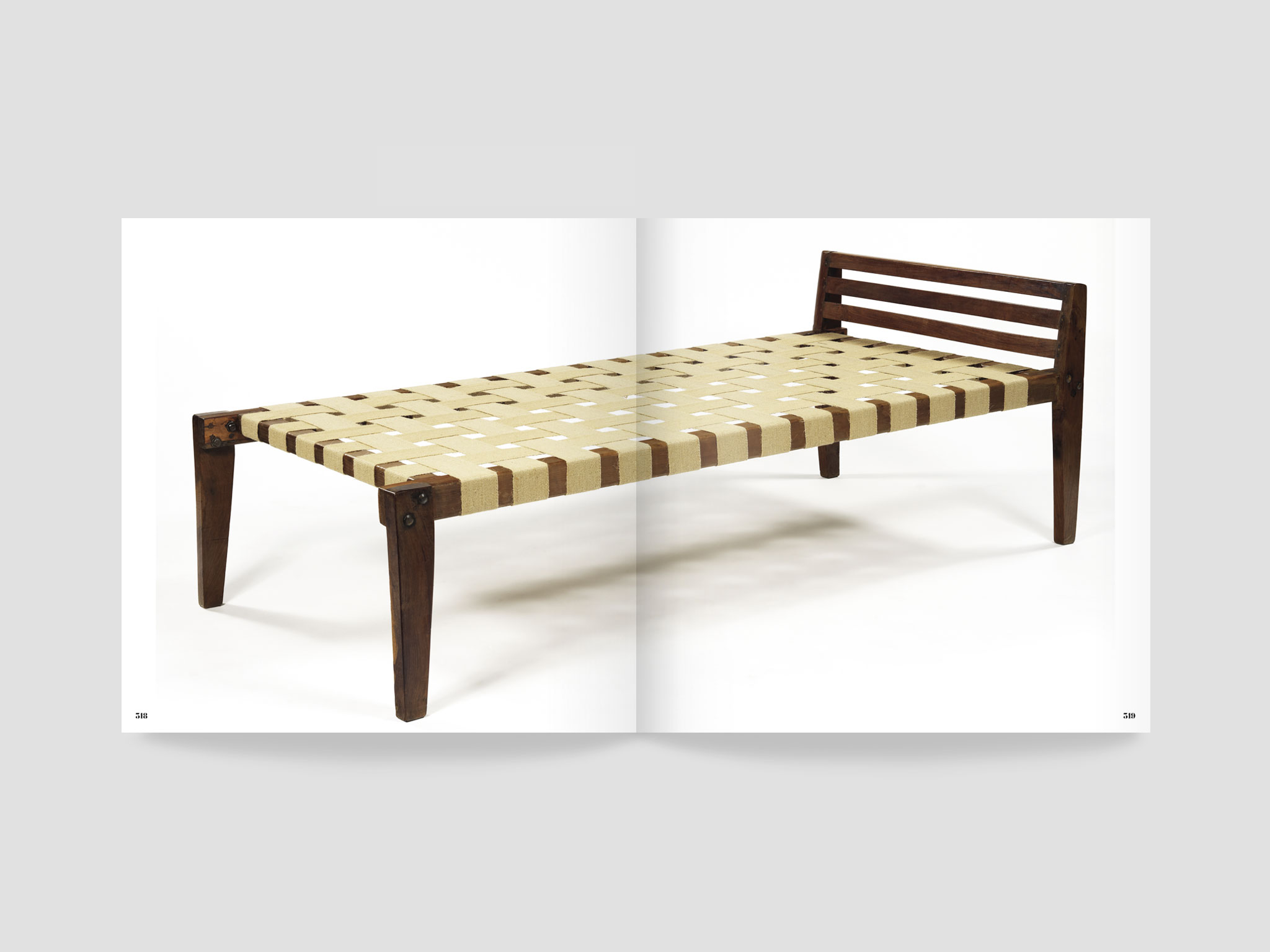
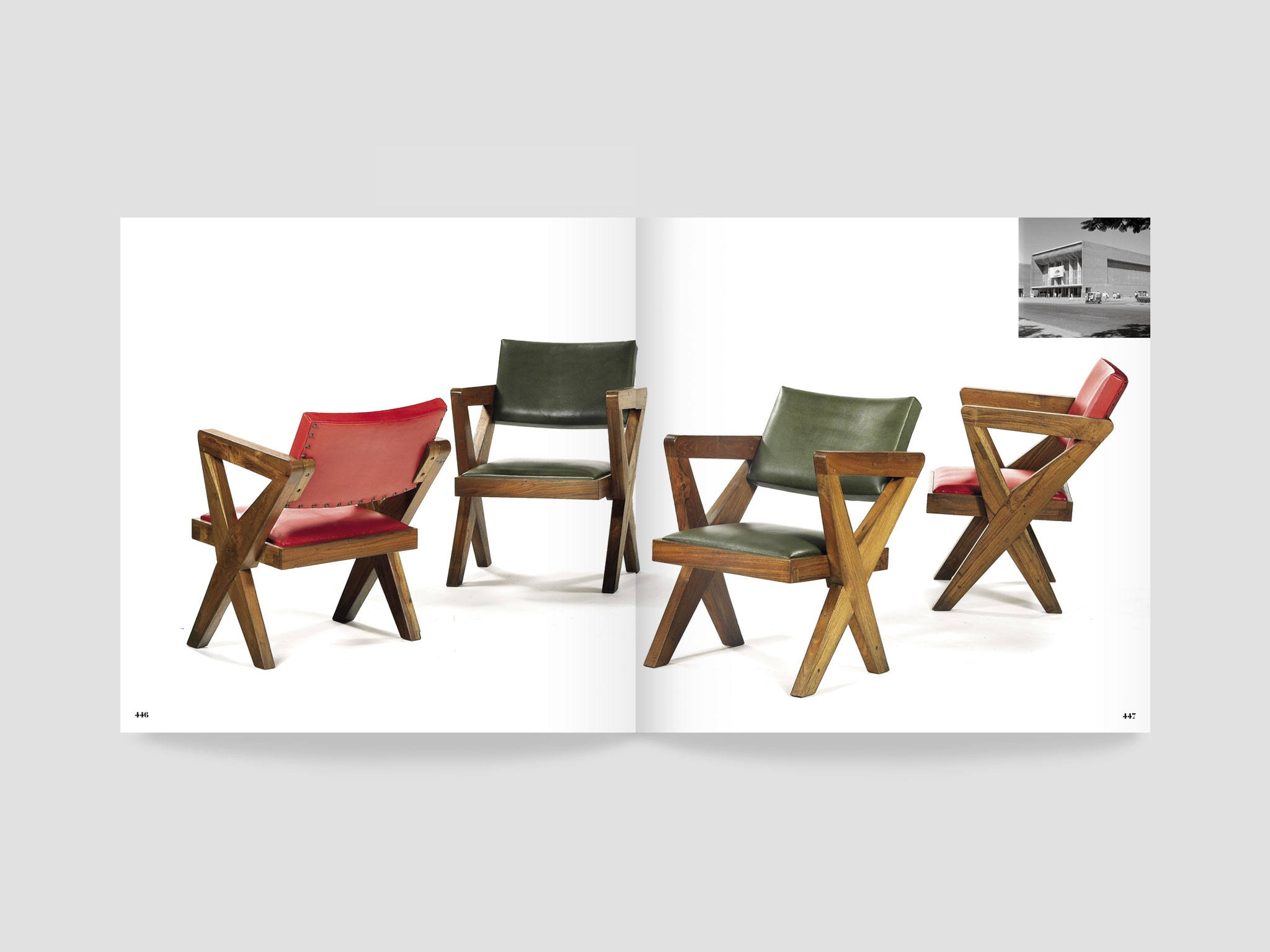
In addition to his architectural work, Pierre Jeanneret developed a range of highly streamlined furniture, made of teak, caning, or cotton upholstery, assisted by young Indian assistants, as part of a program titled “Low Cost Furniture” intended to furnish the various private and public buildings in Chandigarh.
He drew inspiration from traditional local craftsmanship and his earlier creations made in France, either alone or alongside Le Corbusier, Charlotte Perriand, or Jean Prouvé, who would pay tribute to his friend:
“(…) With the simplest means, he timidly offered wonders, whether in architecture or furniture (…)” Jean Prouvé.
978-2-35340-099-7
Pages: 600, approximately 1,000 illustrations, 380 vintage black and white photos, 450 color photos, 170 archival documents.
out of stock